Carbon Cleaning Face-off
I had taken my car to a shop a few months ago and due to my car's mileage, they recommended a walnut blast carbon cleaning. That was going to cost nearly $800, so I opted not to do it. That did remind me, I haven't cleaned the carbon buildup off my intake valves since I put in my built engine which now has over 40k miles. Guess now's the time to do it, and why not turn it into a science project?
Preface
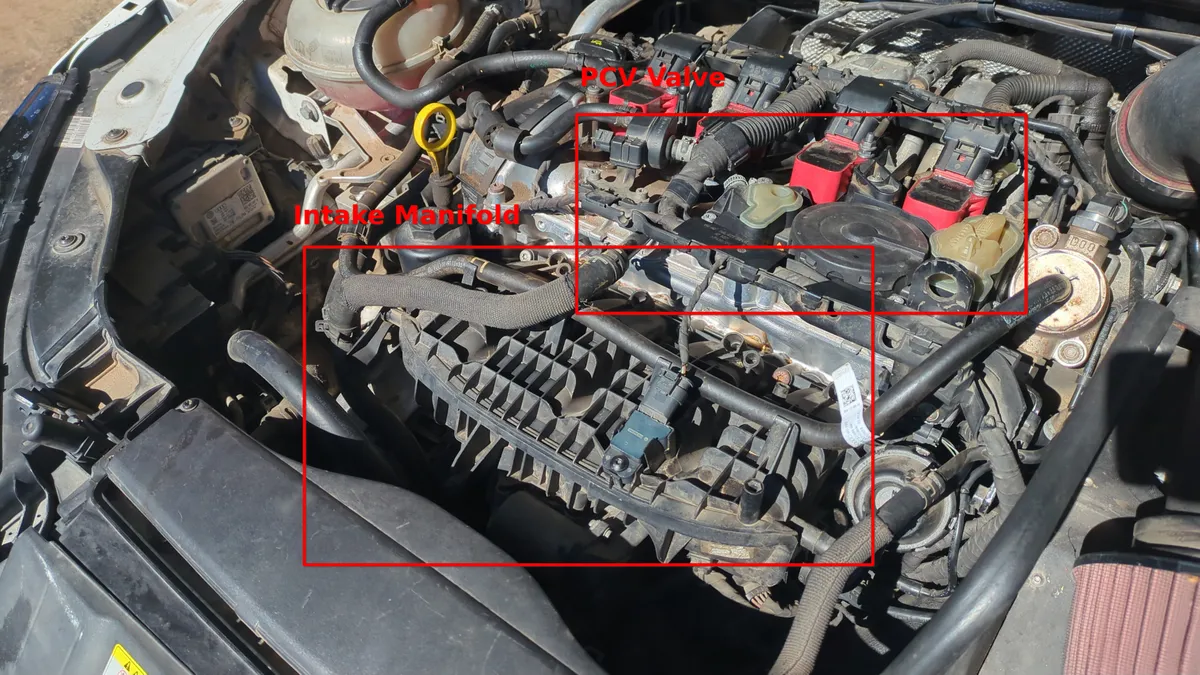
Every car some form of a PCV (positive crank ventilation) valve, which captures oil/gas vapors in your engine and feeds it back into your intake so it mixes with incoming air for combustion. This is done for emission reasons. Most newer cars (model year 2018+) now have direct-inject fuel injectors. This means that the fuel injectors spray the fuel directly into the cylinder, which allows for better gas mileage. Before DI, port injection was the standard. Fuel would spray right before your intake valves and mix with the incoming air. This allowed the fuel to wash the intake valves and keep them clean from the PCV vapors. DI doesn't spray fuel onto the intake valves, so you have a build-up of carbon on the valve face and stem which can lower fuel efficiency and performance. Many car manufacturers realized this mistake and now newer cars (2024-2025+) have both DI and port injection specifically for this reason. Unfortunately my car doesn't have both, so here we are!
If you were to take this to a car repair shop, they would remove your intake manifold and use soft walnut media to blast off the carbon. This is usually an expensive job, but you can DIY it using chemical solvents and physical agitation instead. I live in an apartment complex and don't have access to an air compressor or power outlet, otherwise I would have bought a walnut blaster and media instead.
I want to state upfront that this is not a 100% scientifically accurate venture, and I was just trying to have some fun for what really is a miserable task.
THE PLAN
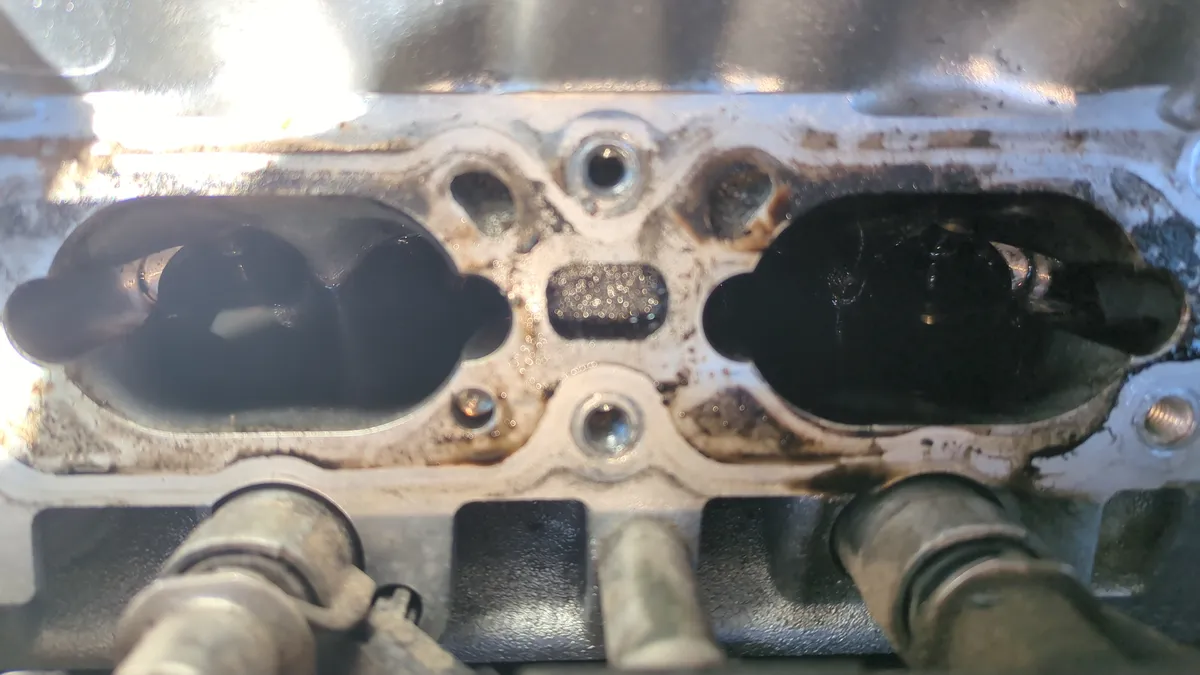
My car is a 4 cylinder, so we have 4 intake valve ports to clean. Because it's an Audi, nothing is simple and there are also intake runner flaps which orient plastic runners in the intake manifold. With that said, the plan is to:
- Soak each of the 4 ports with 1 of the 4 chemicals for an hour
- Soak each of the 4 intake runner flaps with 1 of the 4 chemicals for an hour
- Physically agitate the carbon for 10 minutes using toothbrushes (teethbrush?), nylon wire brush and various picks
- Rate how effective the chemicals ate through the carbon in that 10 minute window
The products
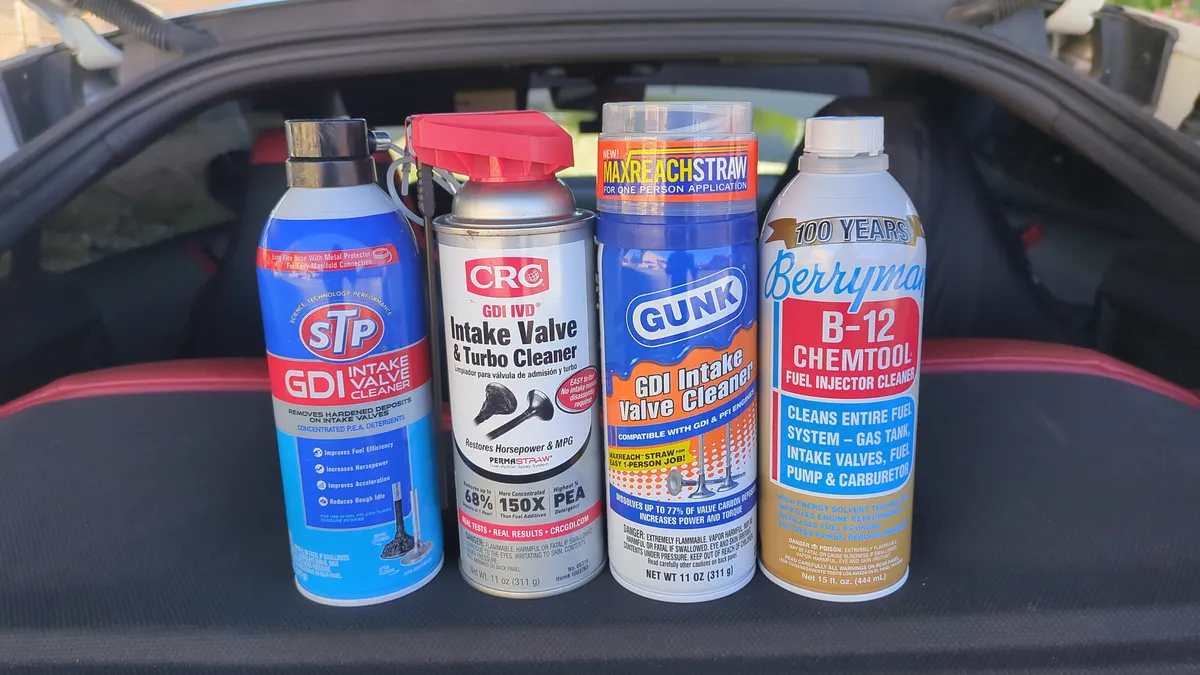
None of these are being used the correct way. For every one except B-12 Chemtool, you're supposed to spray the chemicals into a running, fully warm engine and then either wait an hour to let it heat soak or immediately drive it. B-12 Chemtool is actually a fuel additive and is not really meant for this task, but many people swear by it and I've used it in the past with good results. If you've ever cleaned carbon build-up by hand you'll know there is a low chance of these working on heavily caked intake valves, which is why I am repurposing them as solvents in addition to physical agitation.
STP GDI Intake Valve Cleaner -
$10CRC Intake Valve & Turbo Cleaner -
$24Gunk GDI Intake Valve Cleaner -
$8Berryman B-12 Chemtool -
$6
Valve 4: CRC Intake Valve & Turbo Cleaner
For valve 4, I am using CRC Intake Valve & Turbo Cleaner. After an hour of soaking and 10min of manual labor, the port itself is noticeably cleaner and the valve stem is improved, but not much improvement on the valve surface.
Before:
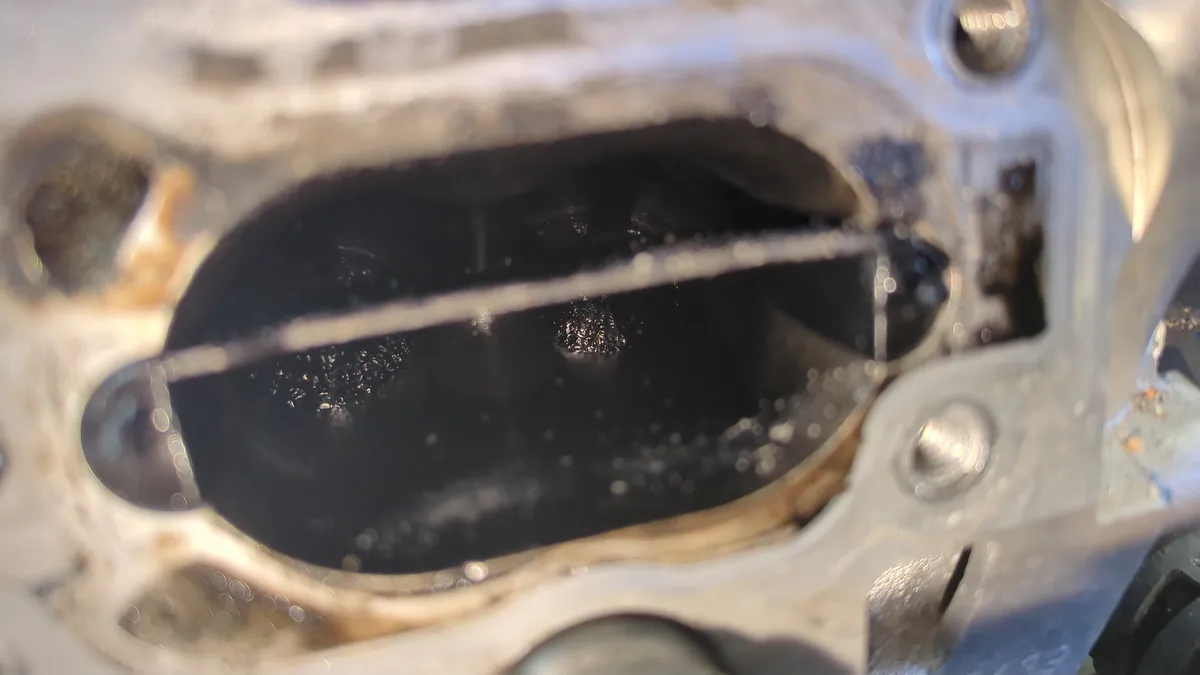
After:
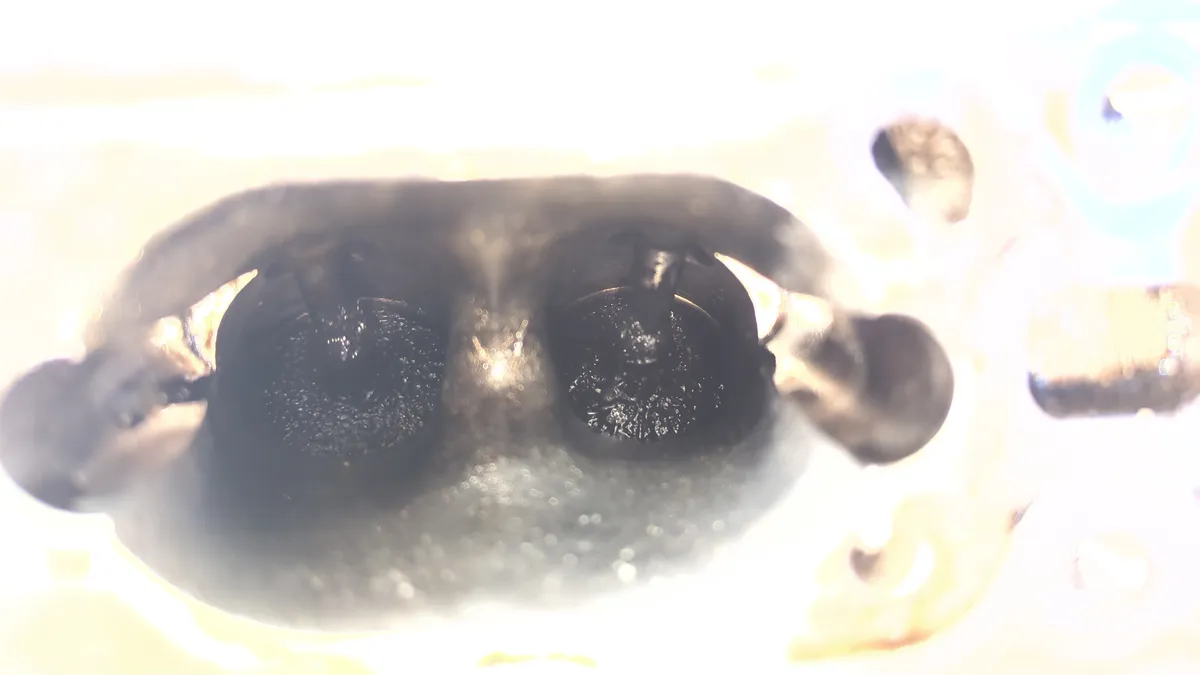
Valve 3: STP GDI Intake Valve Cleaner
Valve 3 is being treated with STP GDI Intake Valve Cleaner. There is a remarkable improvement in the valve port, valve step and some flattening of build-up on the surface. As I sprayed the cleaner into the port, it immediately started dissolving the carbon and was already 90% clean just by contact alone.
Before:
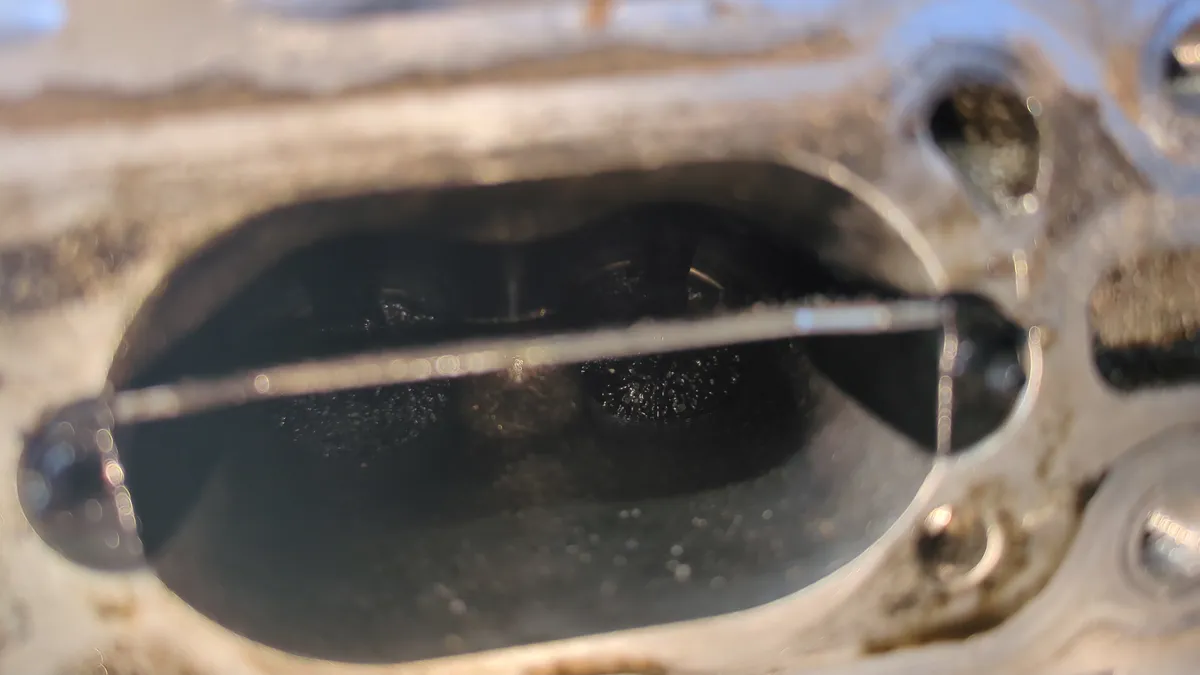
After:
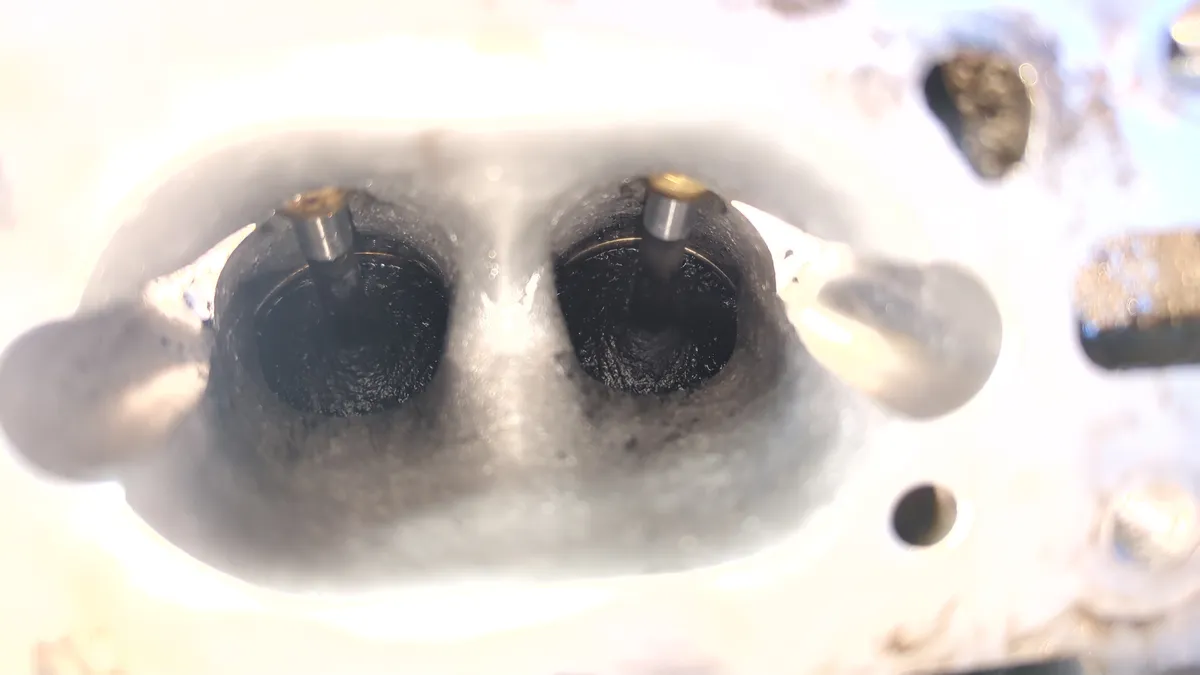
Valve 2: Gunk GDI Intake Valve Cleaner
Valve 2 was sprayed with Gunk GDI Intake Valve Cleaner. Similar to STP, the carbon around the intake port was removed by contact with the spray alone. The valve stems are almost completely clean, and the valve surface has very noticeable improvement.
Before:
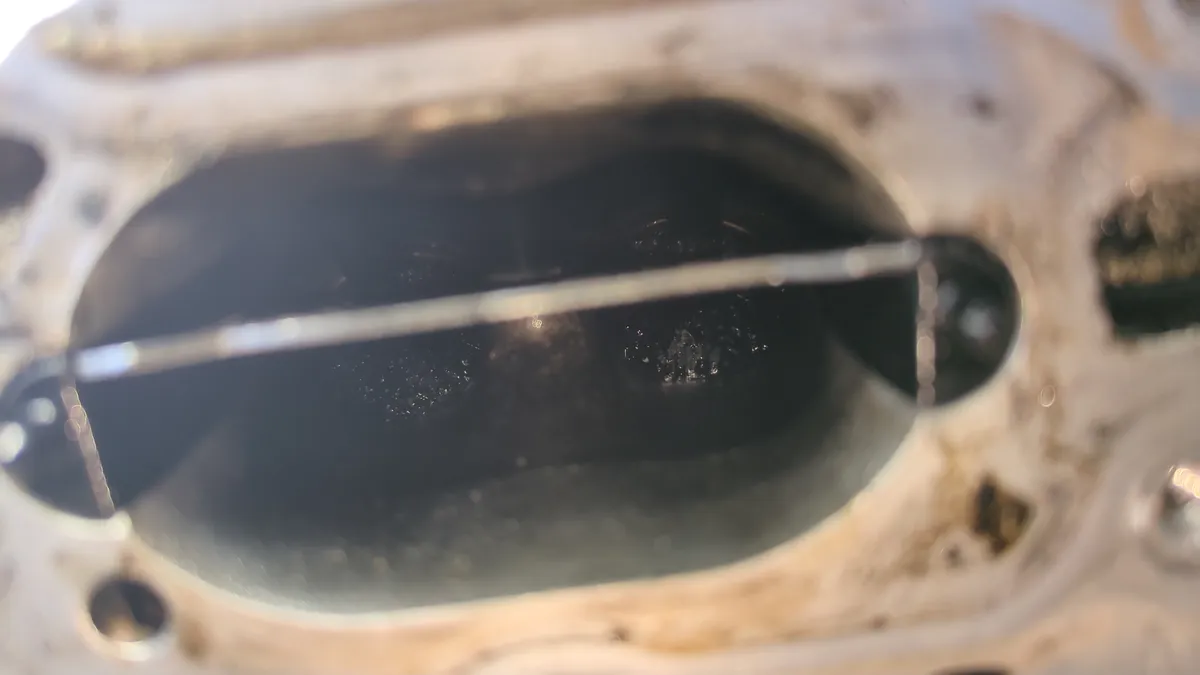
After:
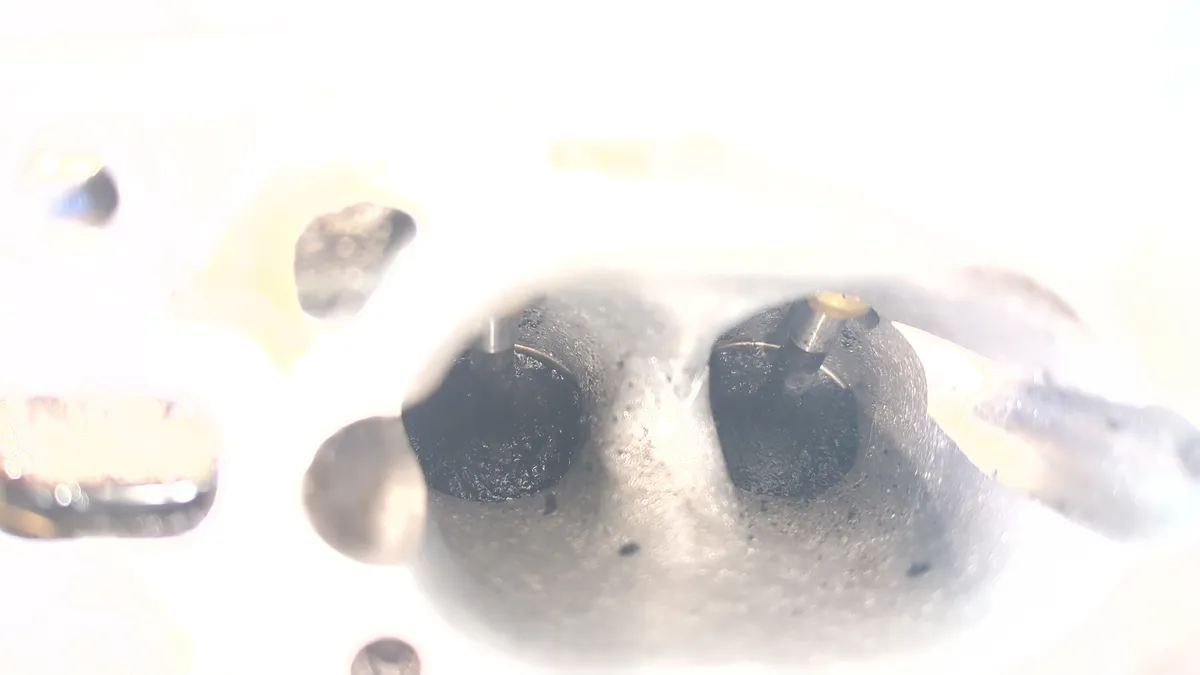
Valve 1: Berryman B-12 Chemtool
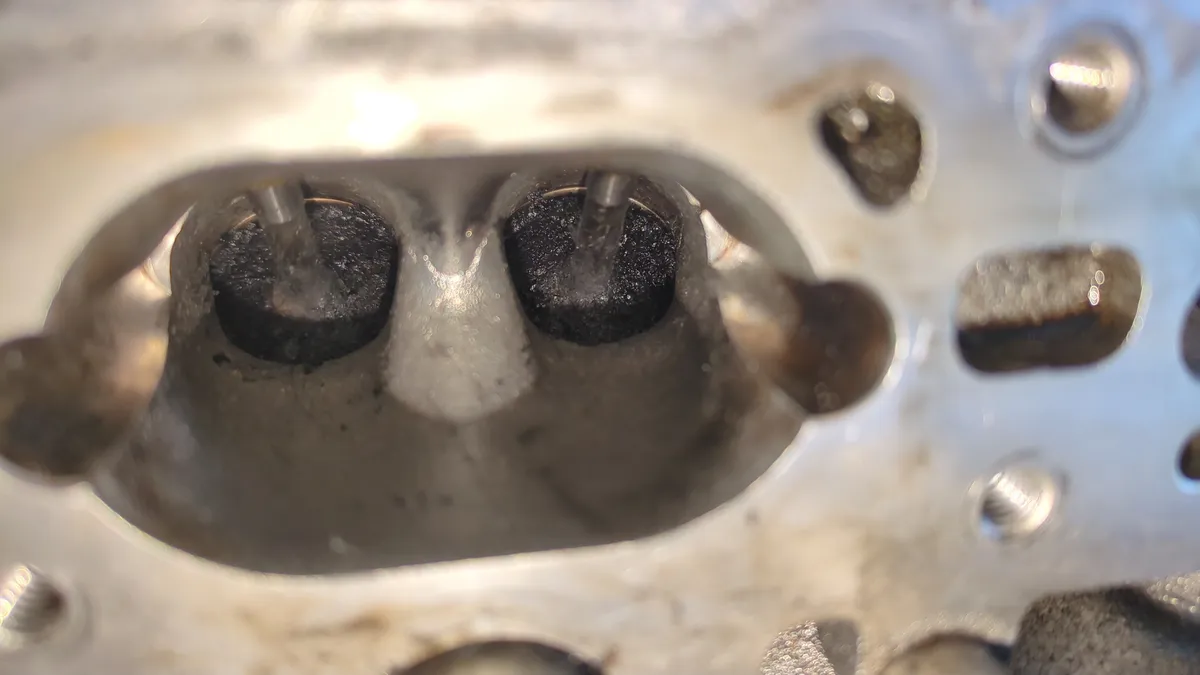
The last valve was treated by Berryman B-12 Chemtool, my beloved. It did a great job at cleaning the intake port and valve stems, but didn't seem to do much for the valve surface. One thing to note, B-12 Chemtool seemed to make the carbon cake and crumble instead of liquify like the others. You can see the carbon on the surface looks dried out and resembles dirt/mud.
Before:
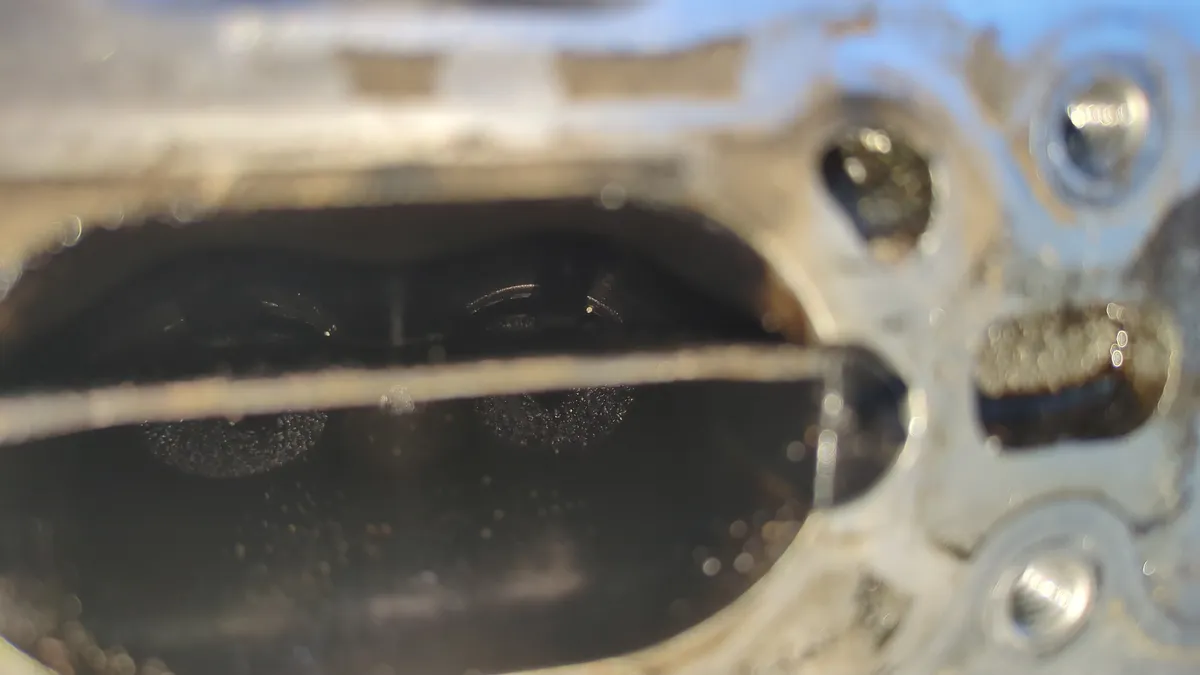
After:
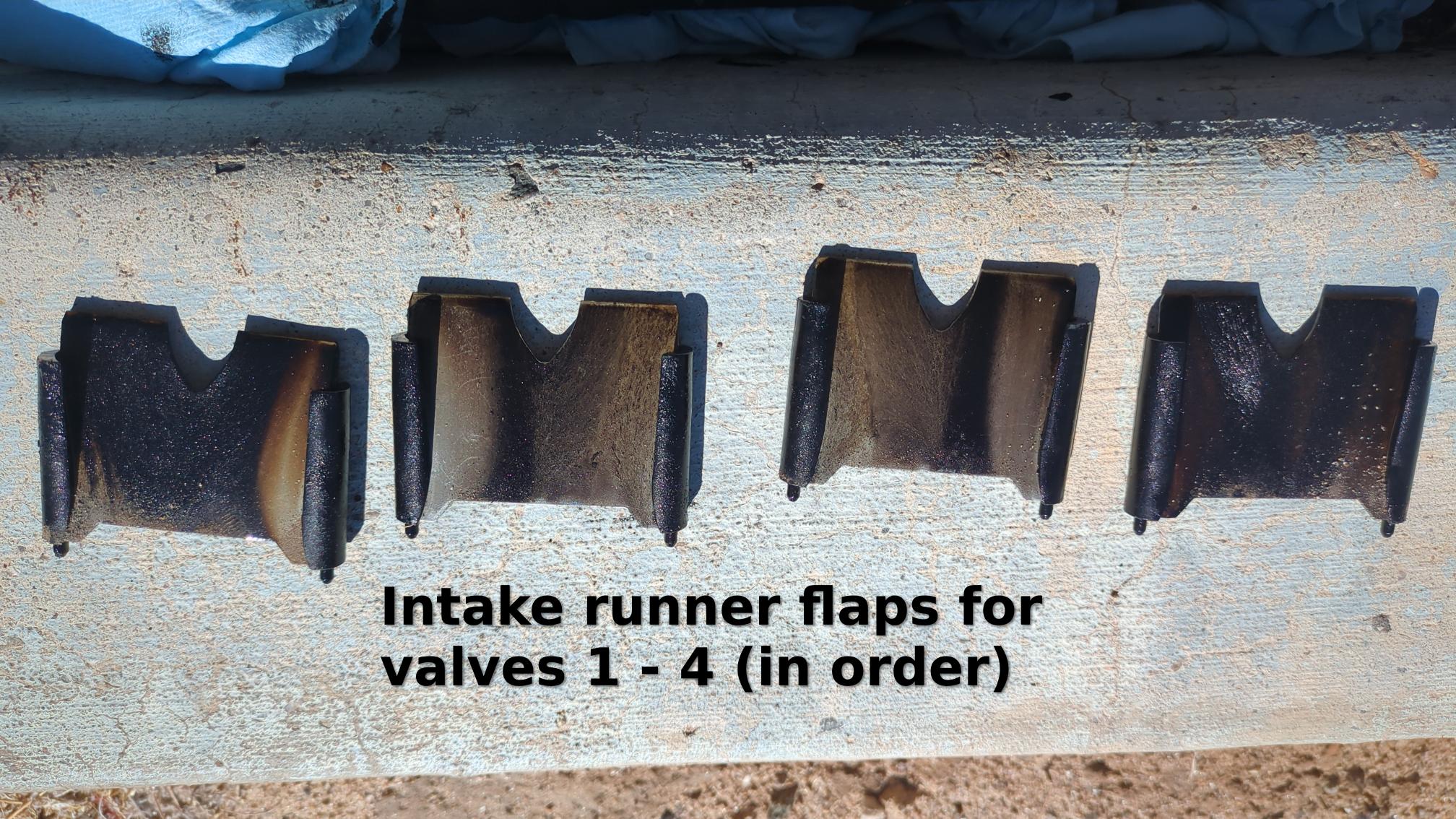
Intake runner flaps
Here is a before of all 4 intake valve runner flaps.
Intake valve runner flaps 4 and 3:
As I sprayed STP onto the runner flap for valve 3, it immediately started dissolving the carbon off as it did on the intake port. CRC didn't too to good of a job on the flap for valve 4.
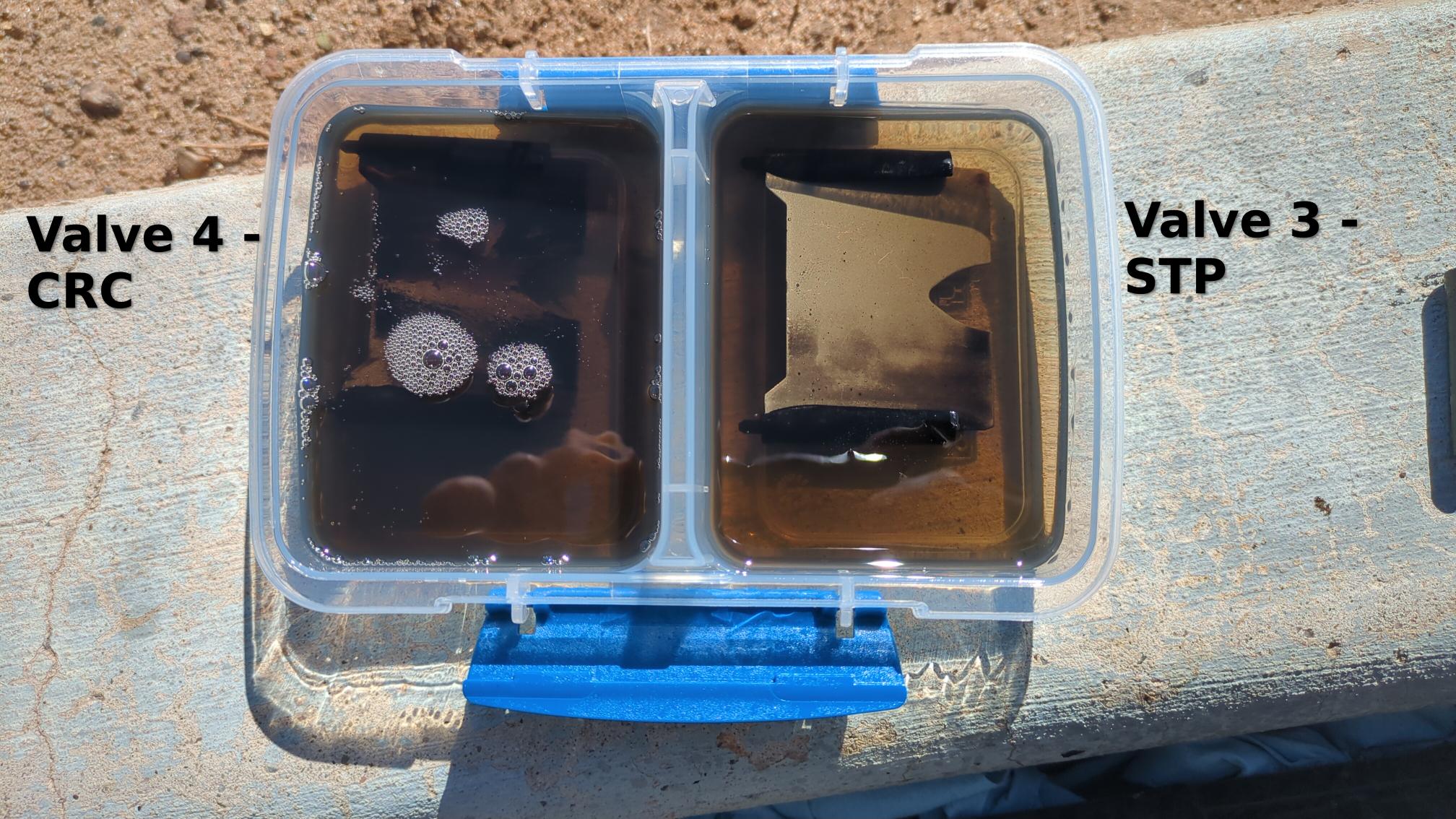
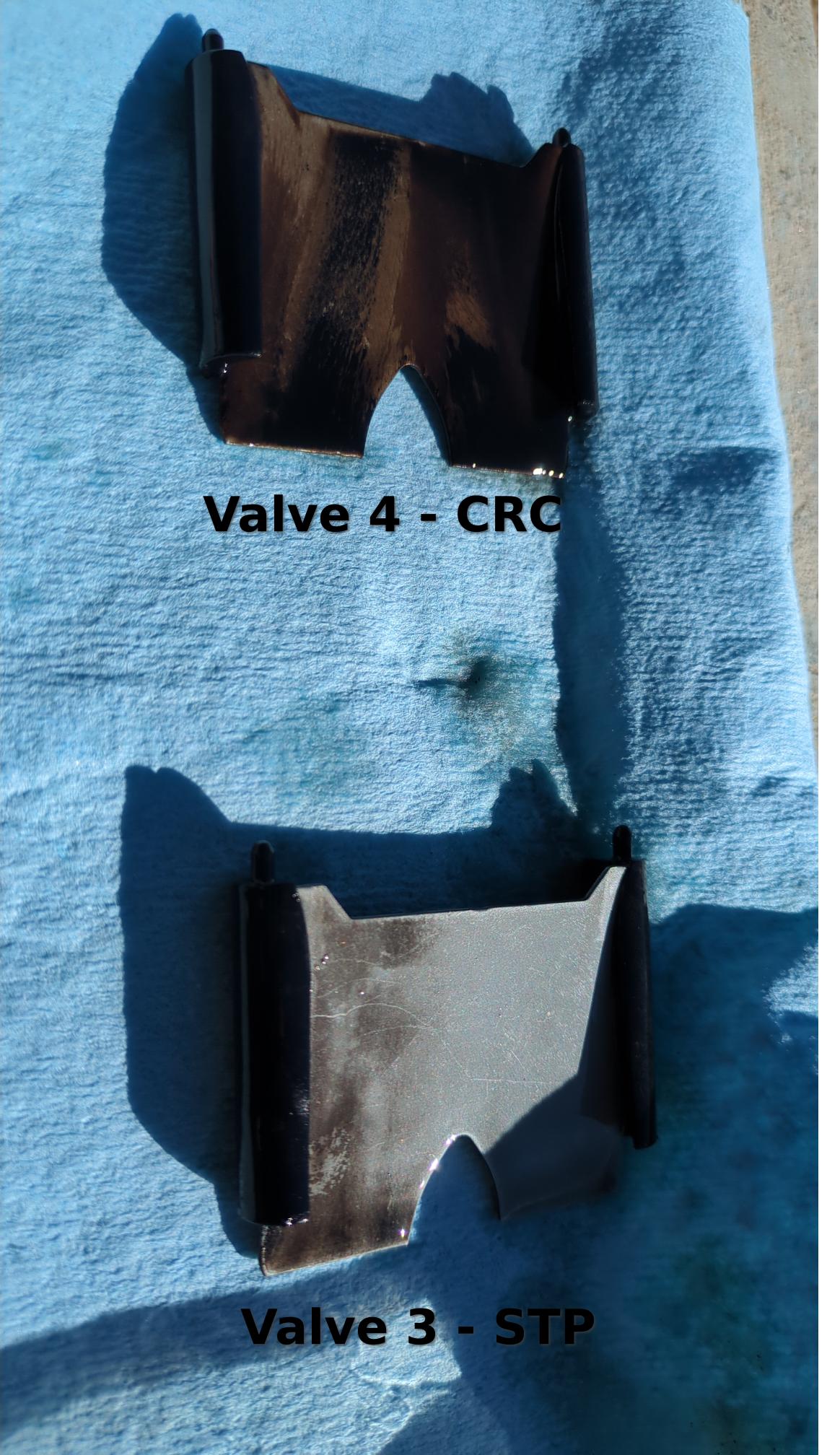
Intake valve runner flaps 2 and 1
Gunk gave similar results to STP on flap for valve 2, where it started dissolving on contact. B-12 Chemtool was similar, but more effective than CRC on flap for valve 1.
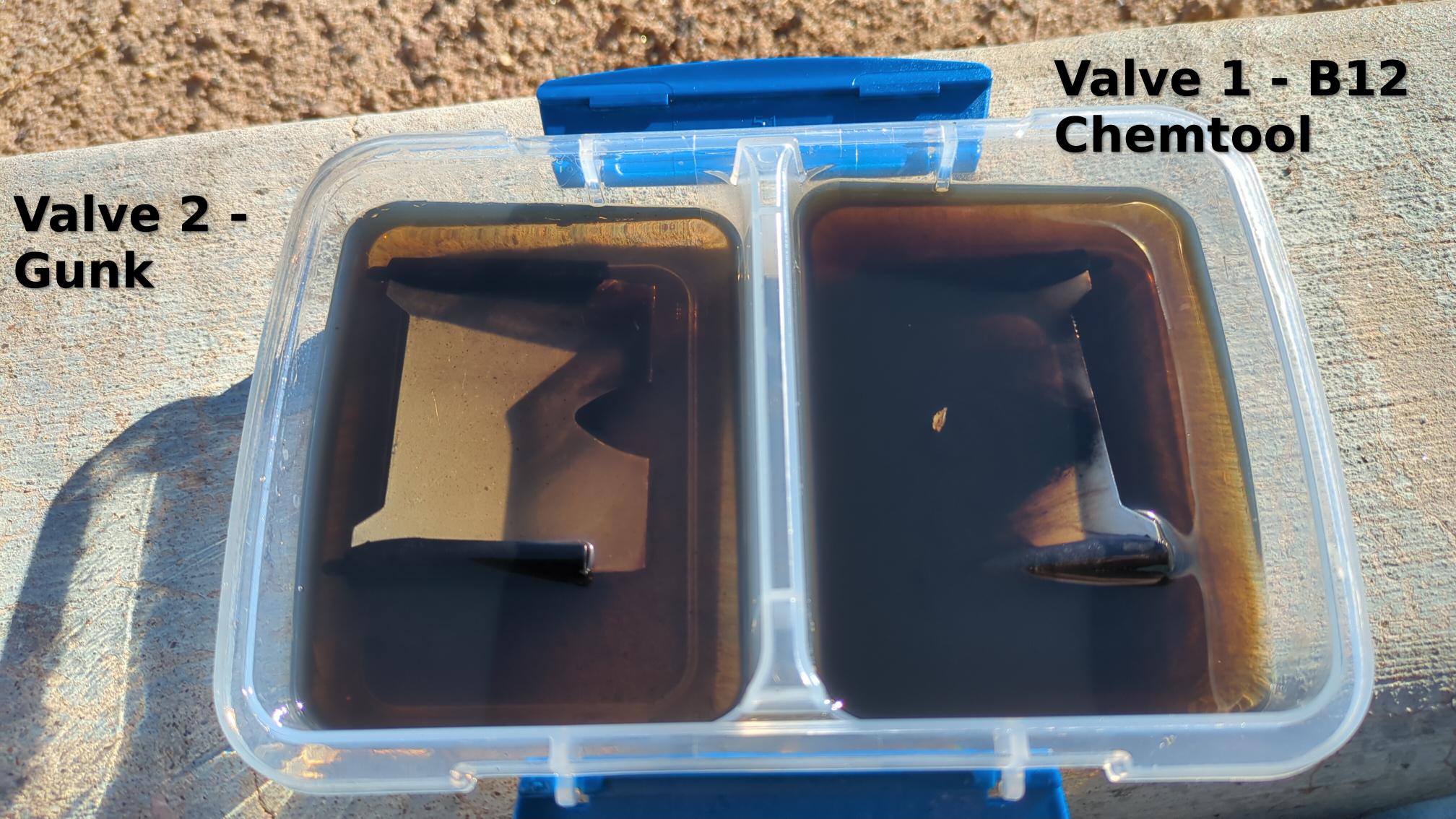
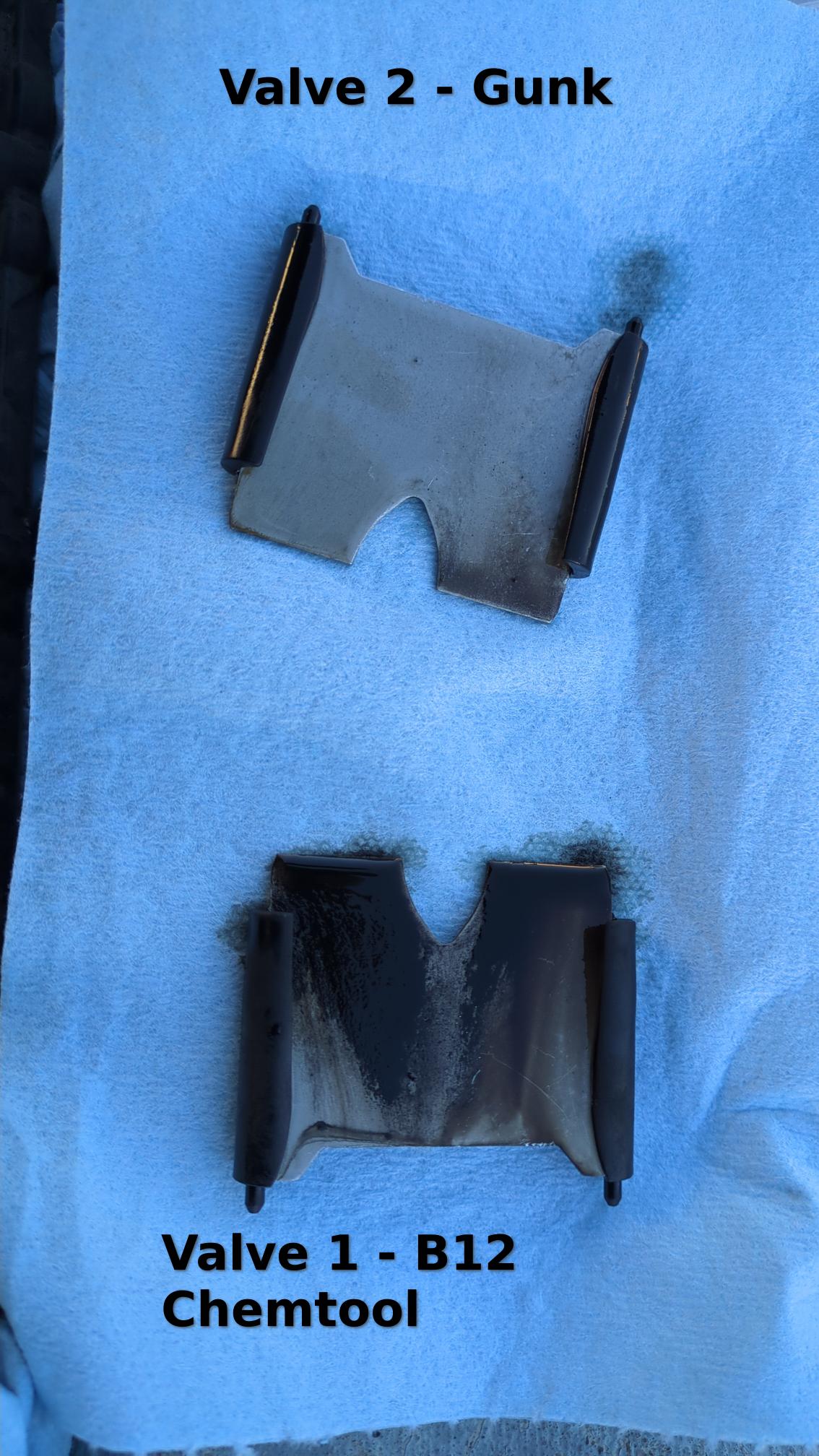
Results
It is my opinion that Gunk gave the best results. It ate the carbon on contact and gave excellent results all around. STP follows a very close second, with Berryman B-12 Chemtool third and CRC Intake Valve and Turbo Cleaner last. Honestly, I would recommend everything except CRC for this job. It is just too expensive at $24, compared to the others which were $10 or less and gave better results.
Analysis of product SDS
Why were some of these products better than others? The safety data sheet (SDS) is a document which all oils and chemicals are required to have to list the dangers/toxicity of the composition, as well as list out the chemical make up of the product. Here are the SDS for the products tested.
I took the top 3 ingredients shared across all 4 products and put each product side-by-side to see if we can potentially identify why Gunk and STP were the best for this job.
When the data is presented like this, we can clearly see that the common thing most shared between Gunk and STP is the amount of alcohol and glycol ethers. This is the most likely ingredient that promoted agitation-based carbon cleaning.
This article from Alliance Chemical explains what glycol ethers do, and aligns perfectly with my hypothesis that glycol ethers and alcohols are the main driver for cleaning in Gunk and STP:
Glycol ethers are versatile solvents produced by reacting an alcohol with either ethylene oxide or propylene oxide, resulting in molecules with both ether and alcohol functional groups. This dual structure gives glycol ethers amphiphilic properties, enabling them to act as coupling agents between water-soluble and oil-soluble substances. Glycol ethers are primarily used for solvency, evaporation control, and viscosity reduction in applications such as industrial cleaners, glass cleaners, metal degreasers, and as coalescing agents in water-based paints and coatings.
Conclusion
Gunk was the winner, and their trophy is is getting mailed as we speak! All jokes aside, this has been fun and informative, but I have to re-iterate that literally NONE of these products were used in their intended way. 3 of the 4 products are meant to be sprayed in a fully warmed up running car and either immediately driven or heat soaked for an hour, then driven. B-12 Chemtool is a fuel additive meant to clean the entire fuel system. These chemicals were just repurposed for manual carbon cleaning, and this test doesn't show the true efficacy for their intended purposes.
If I were to use these products as intended, based on the amount of PEA in the products (which is what removes carbon build-up via heat cycles), I would use either STP or CRC. Gunk claims to have PEA in their formula, but barely, at only 0.5%.